More room to shop. More reason to spend? Oxford Street’s pedestrianisation
Pedestrianisation could reshape one of the world’s best-known shopping destinations. For retail leaders, the opportunity goes beyond extra footfall: it raises questions about store experience, operational resilience and how physical retail earns its place.
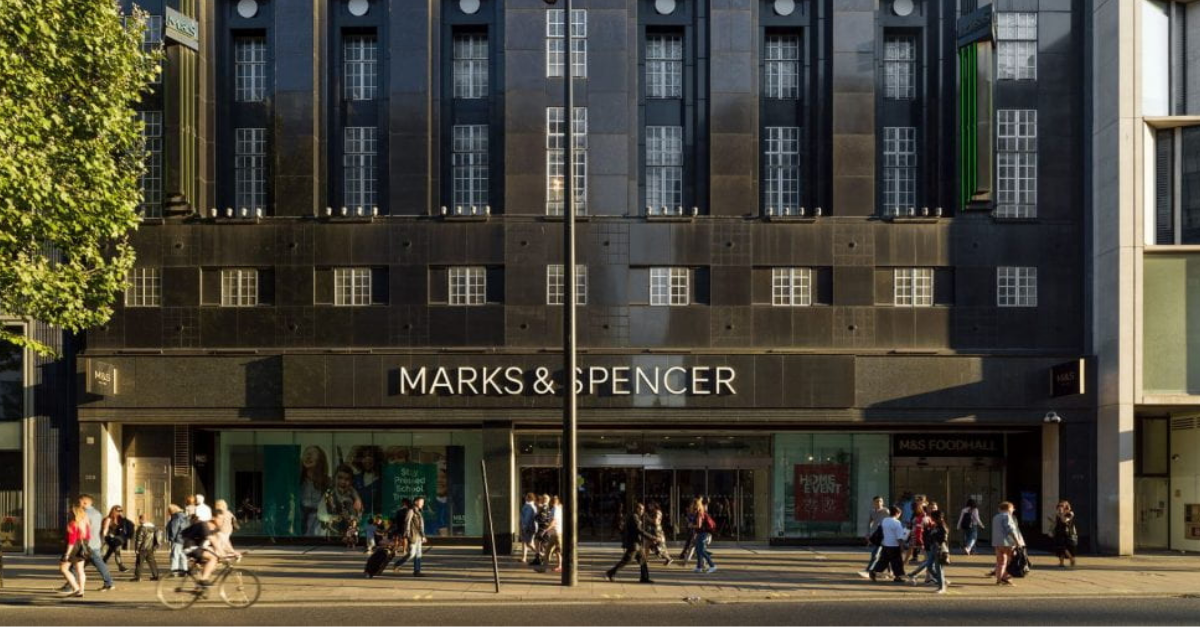
After decades of debate, part of Oxford Street is now pedestrianised.
According to Transport for London, nearly one kilometre between Orchard Street and Great Portland Street became traffic-free on 26 October, removing buses, taxis and other vehicles from that stretch, with limited exceptions.
For retailers, the proposition is appealing: more space to explore, a more comfortable shopping environment and an opportunity to encourage visitors to stay longer.
But removing traffic does not automatically increase sales. The commercial outcome will depend on what retailers do with the opportunity, how effectively the new arrangements work and whether customers find the overall visit easier.
Oxford Street now presents a useful question for the wider industry: when the environment around a store changes, how quickly should the retail offer change with it?
Footfall is the starting point. What happens next matters more.
The Oxford Street Development Corporation says the transformation will introduce more than 50 new trees, over 100 seats and two public squares by the end of spring 2027. The initial public-space changes are transitional, allowing feedback to inform the permanent design.
That creates the potential for a different kind of visit: somewhere to spend time, meet people and explore several stores.
For retail leaders, however, street footfall and commercial performance need separate scrutiny. More people outside a flagship may generate little additional value if store entry, conversion and customer retention remain unchanged.
A useful measurement approach would connect pedestrian flows with store visits, transactions, basket value and subsequent engagement. It should also account for weather, promotions and seasonal trading before attributing any uplift to pedestrianisation.
Will success mean more people walking down Oxford Street, or more customers choosing to shop there again?
A better street raises expectations of the store
A more inviting public space could make the transition through the shop door more revealing. If the street encourages discovery but the store offers an uninspiring assortment, unavailable stock or long queues, the opportunity may end at the entrance.
Retailers could use the change to reassess what their flagship delivers: expert advice, demonstrations, appointments, hospitality or products customers cannot experience elsewhere.
IKEA provides one relevant example of a format designed around its location. In its March 2025 announcement, the retailer described its Oxford Street store as combining roomsets, a home-furnishing market hall, planning appointments and a Swedish Deli across three floors.
The strategic point is the combination of reasons to visit. A customer might arrive for inspiration, stay for food and return for a planning appointment.
For other retailers, the question is which services genuinely strengthen their proposition—and whether colleagues, systems and stock availability can support them.
The customer experience depends on the delivery operation
Behind the public-space transformation sits a practical operating change.
TfL states that freight and servicing vehicles can enter the restricted area, using specified routes, between midnight and 7am.
For affected stores, that makes delivery scheduling, overnight receiving capacity and coordination with suppliers immediate priorities. A missed delivery window could have consequences for availability during trading hours.
Retailers should also examine the economics. Additional sales would need to be assessed alongside any changes in staffing, transport, security and stockholding costs.
This is where inventory visibility and demand forecasting could prove valuable: helping teams anticipate requirements and make better use of constrained replenishment windows.
Can stores support a stronger daytime experience without creating a more expensive or fragile operation behind it?
Accessibility will shape who benefits
A street with fewer vehicles may feel easier to navigate, but the journey starts before customers reach the pedestrianised area.
The Oxford Street Development Corporation says replacement bus stops are approximately 200 metres from the traffic-free stretch. TfL also confirms that some Blue Badge bays and taxi ranks have moved to nearby streets, while mobility scooters remain permitted.
Those changes make clear customer information essential. Retailers should review store-finder pages, appointment confirmations and accessibility guidance, alongside practical support for customers collecting bulky purchases.
Feedback from disabled customers, older shoppers and people travelling with children will help reveal friction that headline visitor numbers may miss.
A destination’s accessibility should be judged across the full journey, including arrival, shopping and departure.
Christmas will provide an early test, rather than a final verdict
The timing puts the new arrangements into operation immediately ahead of peak trading. Yet the street’s physical transformation will continue into 2027, according to the Oxford Street Development Corporation.
Early results will therefore need careful interpretation. Christmas demand, launch interest and transitional arrangements could all influence performance.
Retailers have an opportunity to treat this period as a learning exercise: test staffing patterns, monitor arrival routes, capture customer feedback and identify where additional visitors encounter friction.
Neighbouring businesses also have a shared interest in how the area functions. Wayfinding, cleanliness, safety and events will influence the destination as a whole, beyond any individual store’s control.
What should the wider retail industry take from this?
Oxford Street has a distinctive mix of flagship brands, tourism and transport connections. Its results will not provide a universal blueprint for every high street.
It will, however, offer a prominent test of how public investment and retail execution work together.
A better environment can create reasons to visit. Retailers still have to provide reasons to enter, buy and return.
For senior leaders watching the change, that is the discussion worth having: if customers are given more room and more reasons to spend time in physical retail, are our stores ready to make that time worthwhile?